
What are Chakras?
What are Chakras?
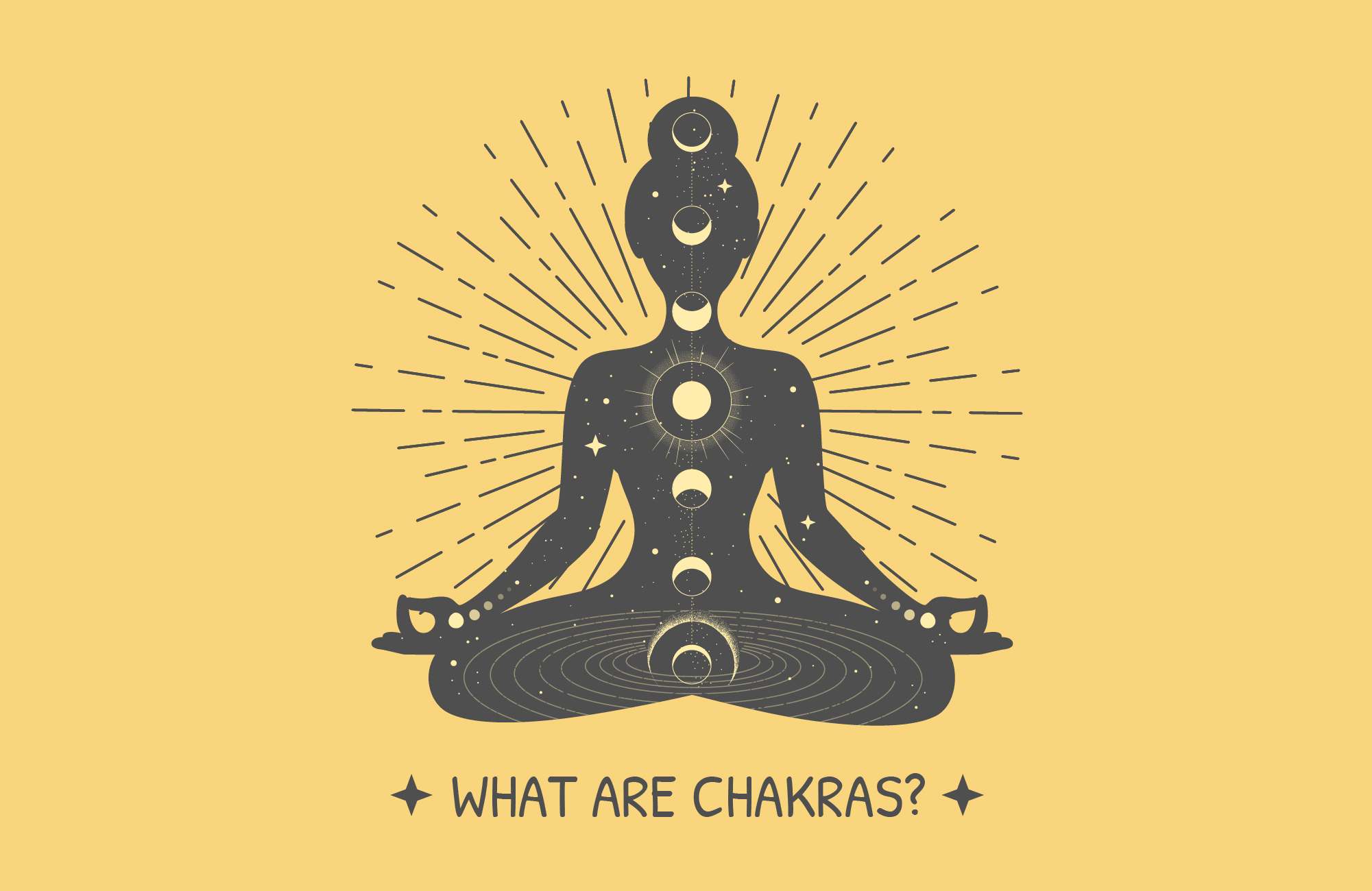
Chakras are energy centers within the human body that are believed to regulate physical, emotional, and spiritual well-being in various spiritual and healing traditions, particularly in Hinduism and yoga. There are seven main chakras, each located along the spine from the base to the crown of the head. Each chakra is associated with specific physical, emotional, and spiritual aspects, as well as certain colors, elements, and sounds.
Balancing the chakras is believed to promote overall health and well-being. Practices like yoga, meditation, and energy healing often focus on aligning and harmonizing these chakras.
Chakras aren’t isolated entities; they function as interconnected gears within the broader human experience, encompassing the mind, body, and spirit. They operate as a unified system, like a family of seven members, each working in harmony with the others.
Frequencies are often used in sound healing practices to help balance and align the chakras.
Names of the Seven Chakras and Attributes
English name (Sanskrit Name) – Color, Frequency
- Crown Chakra (Sahasrara) – Violet or White, 963 Hz
- Third Eye Chakra (Ajna) – Indigo, 852 Hz
- Throat Chakra (Vishuddha) – Blue, 741 Hz
- Heart Chakra (Anahata) – Green, 639 Hz
- Solar Plexus Chakra (Manipura) – Yellow, 528 Hz
- Sacral Chakra (Svadhisthana) – Orange, 417 Hz
- Root Chakra (Muladhara) – Red, 396 Hz
Chakra Nerve Plexus
Each of the seven chakras is intricately connected to a specific nerve plexus in the body, grounding the spiritual concept of chakras in the science of human physiology. These nerve plexuses are clusters of nerves that play a crucial role in regulating various bodily functions, and they correspond closely to the locations of the chakras along the spine. For example, the Heart Chakra (Anahata) is associated with the Cardiac Plexus, which governs heart and lung function, while the Solar Plexus Chakra (Manipura) is linked to the Celiac Plexus, responsible for many functions in the digestive system. This alignment between chakras and nerve plexuses highlights the deep connection between our energetic and physical bodies, suggesting that the balance and health of our energy centers may have direct physiological effects, influencing our overall well-being.
Here’s a breakdown
- Crown Chakra: While not directly linked to a specific nerve plexus, it is often considered to be associated with the Pineal Gland and the cerebral cortex, symbolizing higher consciousness and connection to the divine.
- Third Eye Chakra: Tied to the Carotid Plexus, which is located near the eyes and forehead.
- Throat Chakra: Associated with the Cervical Plexus, located in the throat and neck region.
- Heart Chakra: Connected to the Cardiac Plexus, near the heart and chest area.
- Solar Plexus Chakra (Manipura): Linked to the Celiac (Solar) Plexus, found in the upper abdomen.
- Sacral Chakra: Corresponds to the Sacral Plexus, located in the pelvic area.
- Root Chakra: Associated with the Coccygeal Plexus, located at the base of the spine.
Energetic Attributes
- Crown Chakra: Unity, transcendence, and spiritual connection.
- Third Eye Chakra: Intuition, insight, and perception.
- Throat Chakra: Expression, communication, and truth.
- Heart Chakra: Love, compassion, and connection.
- Solar Plexus Chakra: Personal power, transformation, and action.
- Sacral Chakra: Flow, feeling, and creation.
- Root Chakra: Grounding, stability, and survival.
Chakra Spinning
Chakras are often referred to as “wheels” or “circles”, they are symbolic energy centers in the subtle body. They are also described more like lotuses, each with a specific number of petals and represented by specific colors. All of these are used a visualization tools for meditation.
The concept of the chakras that spin is more of a modern concept. This serves as a symbolic visualization to balance the chakras.
Counterclockwise spin is associated with releasing or giving energy.
Clockwise spin is associated with receiving energy.
The chakras represent a complex and interconnected system that bridges the physical, emotional, and spiritual dimensions of human experience. By understanding and working with these energy centers through practices such as yoga, meditation, and sound healing, individuals can cultivate a balanced and harmonious state of being, fostering overall health and well-being.

People often ask why I paint watercolor postcards instead of larger pieces. The answer is simple. I love capturing a moment before it slips away, and I like traveling light.
Read More
Retreat guests always ask for the homemade recipes we share around the breakfast table, so I’m delighted to finally gather them here for you. Here are some favorites: Scones, Hibiscus Tea, and Chocolate Banana Espresso Bread. May they bring a little retreat magic into your kitchen and be enjoyed in good health!
Read More
Choosing the right materials can make a huge difference in the ease, enjoyment, and final look of your watercolor paintings. Whether you’re just getting…
Read More